
PEN America has announced the winners of the PEN/Heim Translation Fund Grants 2026, selecting ten translators whose projects will bring new and underrepresented voices into English. Alongside them, the PEN Grant for the English Translation of Italian Literature has recognised one more work in progress, offering vital support at the early stages of translation.
Established to address the small number of literary translations published in English each year, the fund has become one of the most influential engines behind contemporary world literature in translation. This year’s cohort spans languages including French, Spanish, Brazilian Portuguese, Indonesian, Kven, Polish, Hungarian, Chinese and Italian, highlighting not only a global range of stories but also the translators who are finding ways to carry them across.
What follows is an overview of the works recognised in the PEN/Heim Translation Fund Grants 2026 and the translators shaping them for English readers.
Winners of the PEN/Heim Translation Fund Grants 2026
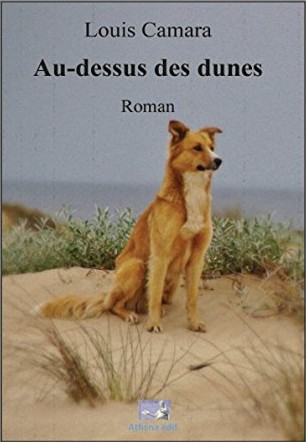
Among the Dunes by Louis Camara, translated by Dominica Chang
Originally published in French as Au-dessus des dunes, this novel is narrated by a stray dog who reflects on human life in the Senegalese city of Saint-Louis with humour and compassion. Louis Camara is a Senegalese writer deeply rooted in the traditions of Saint-Louis, and much of his work engages with West African folklore, spirituality and the region’s layered colonial history. Dominica Chang, a scholar of French and Francophone literature, brings long-standing expertise in Senegalese cultural contexts. Her translation reflects a close sensitivity to Camara’s blend of oral heritage, satire and moral reflection.

A Brief History of Failure by Fátima Villalta, translated by Milena Sanabria Contreras and Allison Stickley
Originally published in Spanish as Breve historia del fracaso, this short story collection brings together nine stories that trace a century of Nicaraguan life through the eyes of ordinary people. Fátima Villalta is part of a new generation of Central American writers whose work explores memory, displacement and social fracture. She now lives in exile in Mexico. Milena Sanabria Contreras and Allison Stickley work closely together in translation and bring forward the varied voices of the collection while preserving its emotional intimacy and historical depth for English-language readers.
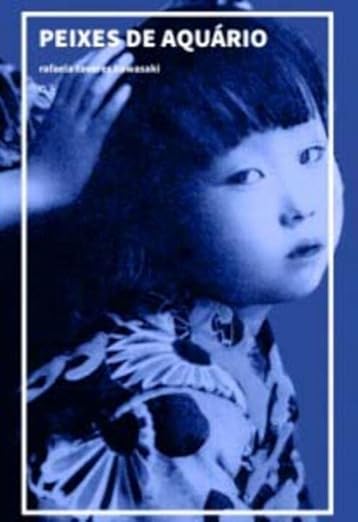
Aquarium Fish by Rafaela Tavares Kawasaki, translated by Robin Driver
Originally published in Brazilian Portuguese as Peixes de aquário, this debut novel follows Japanese Brazilian families in São Paulo and explores identity, generational memory and the quiet tensions within diasporic life. Rafaela Tavares Kawasaki draws from her own background in a community shaped by both migration and cultural blending, and her work has been noted for its reflective, understated style. Robin Driver is an emerging translator of Brazilian fiction whose work often focuses on writers from marginalised or lesser-known communities. Driver’s translation preserves the novel’s lyrical restraint and its attention to the fine emotional detail of everyday life.
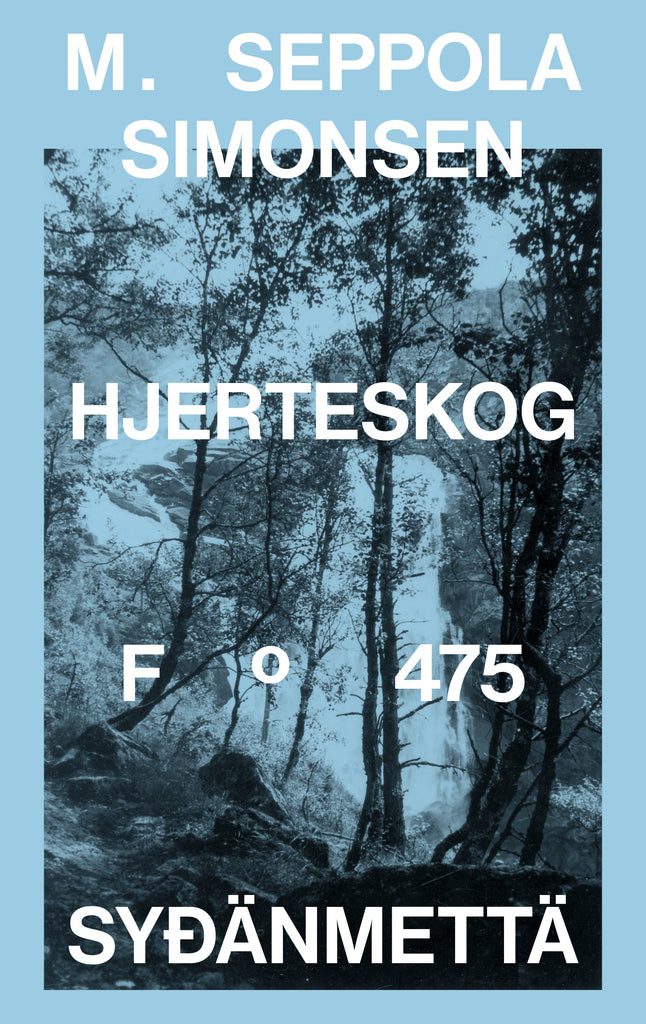
The Heart of the Forest by M. Seppola Simonsen, translated by Eirill Alvilde Falck
Originally written in Norwegian and Kven and published as Hjerteskog. Syđänmettä., this poetry collection draws on the landscapes and cultural heritage of northern Norway. M. Seppola Simonsen, a non-binary Kven–Norwegian poet from the island of Senja, writes brief, image-rich pieces that explore identity, language and the presence of an endangered heritage. Eirill Alvilde Falck’s translations, which have appeared widely in anthologies and literary magazines, convey the clarity of the poems while carrying their cultural and linguistic layers into English.
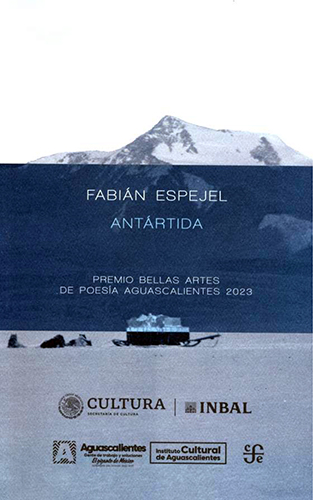
Antarctica by Fabián Espejel, translated by Marissa Grunes
Originally published in Spanish as Antártida, this poetry collection reimagines Roald Amundsen’s Antarctic expedition as a lyrical, fictionalised journey through ice, memory and history. Fabián Espejel is a Mexican poet and translator whose debut book won the Premio Bellas Artes de Poesía Aguascalientes in 2023. Marissa Grunes’s translation highlights both the musical qualities of the poems and their shifting movement between documentary detail and imagination, introducing a new poetic voice to English-language readers.
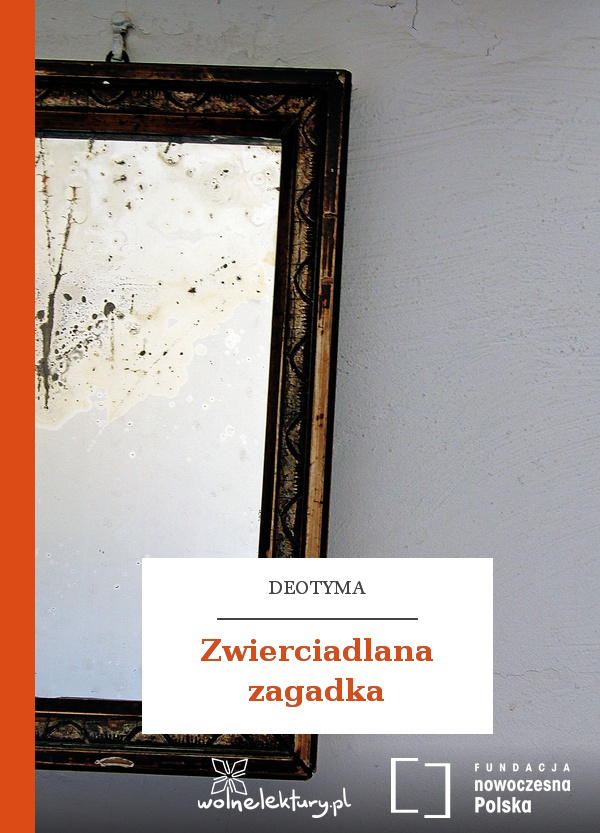
The Secret of the Looking-Glass by Deotyma, translated by Eliza Marciniak
Originally published in Polish as Zwierciadlana zagadka, this nineteenth-century speculative novel centres on a strange mirror that records and stores human lives. Written by Jadwiga Łuszczewska, better known by her pen name Deotyma, it blends elements of science fiction, Gothic storytelling and philosophical reflection, and is often read as part of an early feminist tradition in Polish literature. Eliza Marciniak, an experienced translator of Polish prose, brings out the novel’s ornate style and its mix of imaginative adventure and intellectual curiosity.
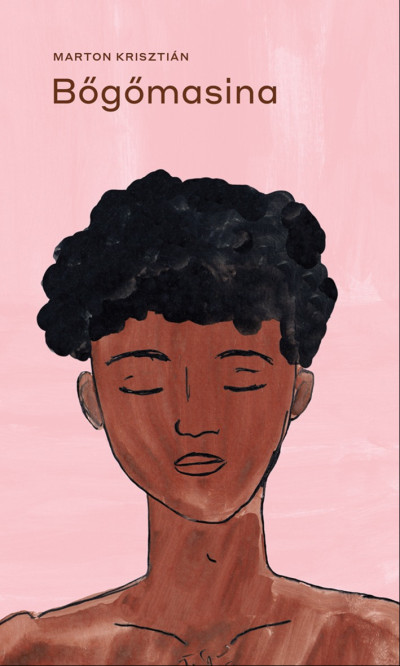
Crybaby by Krisztián Marton, translated by Tímea Sipos
Originally published in Hungarian as Bőgőmasina, this autobiographical debut novel follows Marci, a biracial gay boy growing up in the largely homogeneous city of Szeged in southern Hungary during the 1990s. As he moves from childhood into adulthood, he struggles with racism, the absence of a father, queer desire and complicated attachments. Krisztián Marton is a Hungarian writer whose debut novel explores identity, vulnerability and the social pressures of post-socialist Hungary. The translator, Tímea Sipos, is a Hungarian American writer and translator originally from Budapest. Her version brings out the tenderness, anger and vulnerability in Marton’s prose while staying close to the social and linguistic nuances of contemporary Hungarian life.

Suspicious Days by Dea Anugrah, translated by Annie Tucker
Originally published in Indonesian as Hari-Hari yang Mencurigakan, this novel follows a young, directionless writer in Yogyakarta who becomes caught up in a literary mystery and a violent search for a missing poet. Dea Anugrah is an Indonesian fiction writer and essayist whose work often combines humour, metafiction and sharp social observation. Annie Tucker, an experienced translator of contemporary Indonesian literature and the English translator of several widely read Indonesian novels, conveys the book’s quick changes in tone and its blend of irreverence, cultural commentary and emotional restlessness.
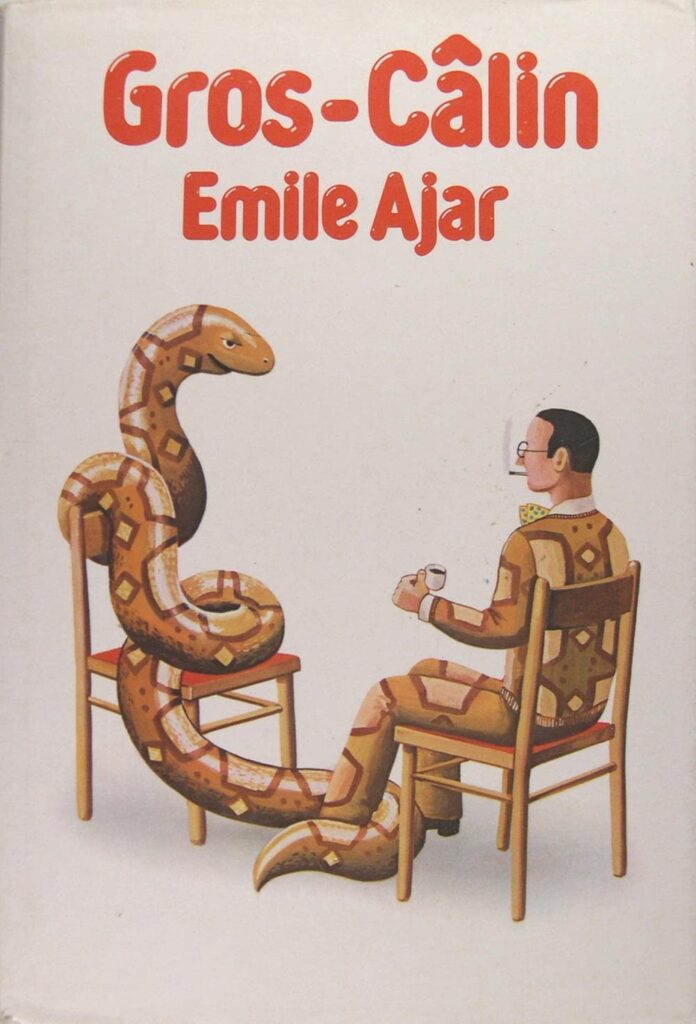
Solitude of a Python in Paris by Romain Gary, translated by Quentin Véron
Originally published in French as Gros-Câlin, this 1974 novel introduces Michel Cousin, a solitary statistician in Paris who adopts an eight-foot python in the hope of finding companionship. Romain Gary wrote the book under the pseudonym Émile Ajar, and it later became central to one of the most remarkable revelations in French literary history. The novel is celebrated for its inventive and deliberately odd use of language, full of malapropisms, puns and emotional missteps that reflect Cousin’s search for connection. Quentin Véron’s translation works closely with this playful style, re-creating its humour and tenderness while staying attentive to the novel’s linguistic experimentation.
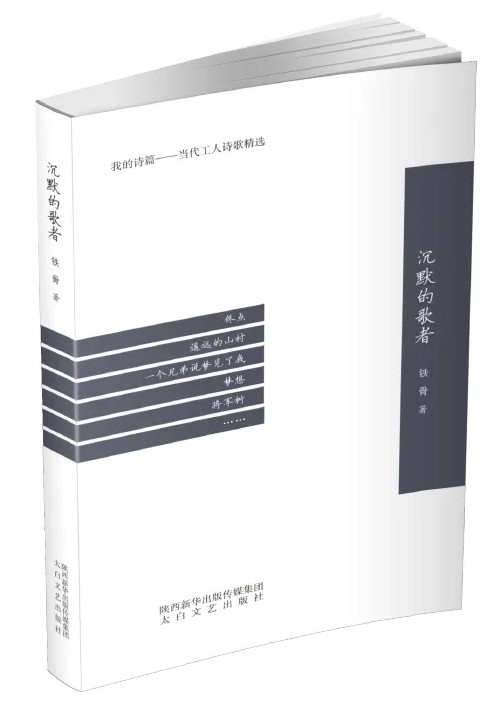
All of Our Homecomings Are Feted as Yi New Year by Jike Ayou, translated by Yě Yě
Originally published in Chinese as 我们所有的归乡都被当成彝族新年来庆祝, this poetry collection reflects the life and landscape of the Yi community in Sichuan and the experience of migrant workers in contemporary China. Jike Ayou, widely recognised as the first migrant worker poet of Yi ethnicity, writes with clarity and restraint about displacement, labour and the enduring pull of home. His work has appeared in several Chinese literary journals and in the documentary The Verse of Us, which brought wider attention to migrant worker poetry. The translator, Yě Yě, is known for working closely with contemporary Chinese poets and for producing concise English versions that preserve imagery and emotional precision. Their approach here brings across the delicacy of Jike Ayou’s lines and the quiet force of the experiences they record.
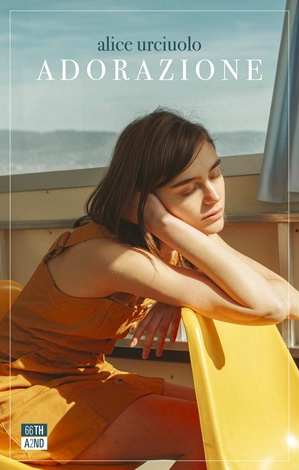
Adoration by Alice Urciuolo, translated by Lauren Aliza Green
Originally published in Italian as Adorazione, this novel is set in the reclaimed marshlands south of Rome, where five teenagers try to make sense of a friend’s murder and the narrow models of masculinity and desire that shape their world. Winner of the PEN Grant for the English Translation of Italian Literature, the project brings renewed attention to Urciuolo’s unsettling portrait of adolescence, desire and the lingering legacies of fascist and patriarchal culture in provincial Italy. Alice Urciuolo is an Italian novelist and screenwriter whose work focuses on the dynamics of contemporary Italian life. The translator, Lauren Aliza Green, is a novelist, poet and translator, and PEN describes her English version as capturing the urgency and intimacy of Urciuolo’s prose, its polyphonic voices and its precise rendering of place, class and coming of age. The Italian-focused grant operates within the PEN/Heim Translation Fund and was created to support book-length translations of Italian literary fiction and nonfiction into English, encouraging more Italian books to reach English-language publishers and readers.
Established in 2003 with support from Michael Henry Heim and Priscilla Heim, the PEN/Heim Translation Fund is one of the few programmes that offers direct assistance to translators at the earliest stages of their work. Each selected project receives between 2,000 and 4,000 US dollars to help complete the translation of a book-length work. A separate grant dedicated to Italian literature runs alongside the main fund and encourages the translation of contemporary Italian prose that might not otherwise reach English-language publishers. Together, these programmes have supported almost two hundred translation projects over the past two decades and have helped many writers and translators find new readers across languages and literary traditions.